Our Mission
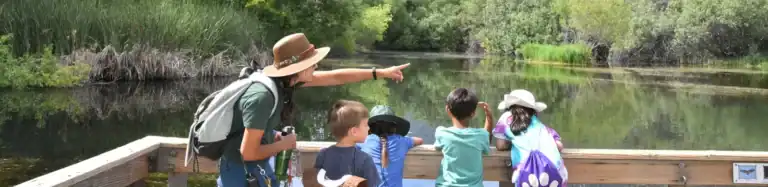
To preserve the beauty and biodiversity of the earth and to provide programs so that children may know the wonder and joy of nature.


About Us

Donate
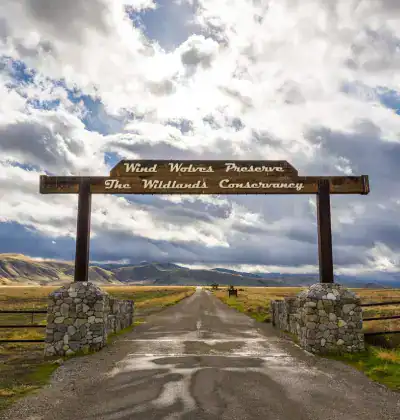
Wind Wolves
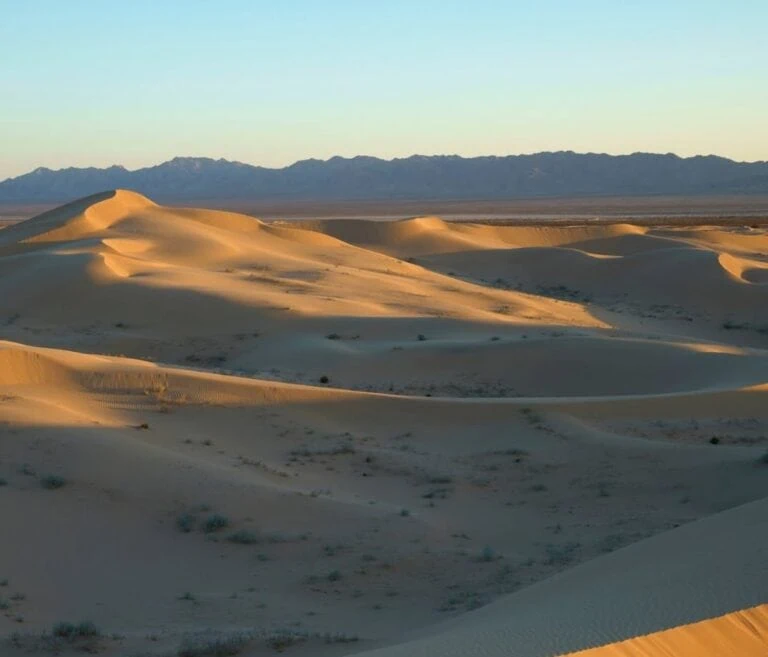
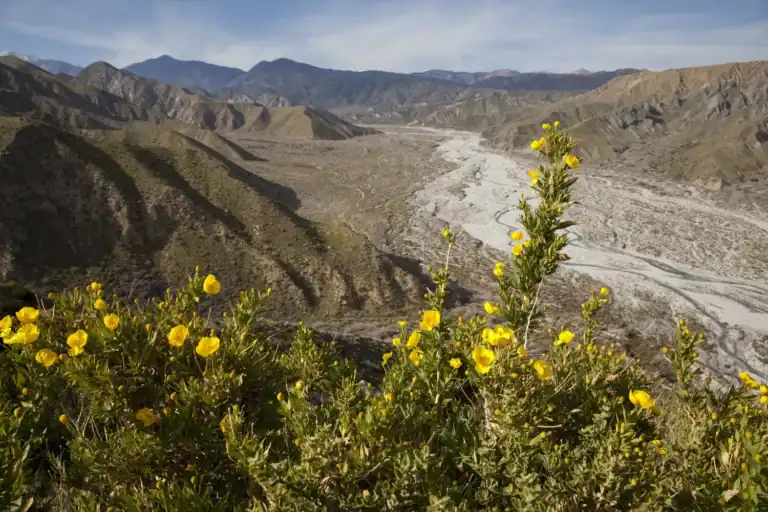
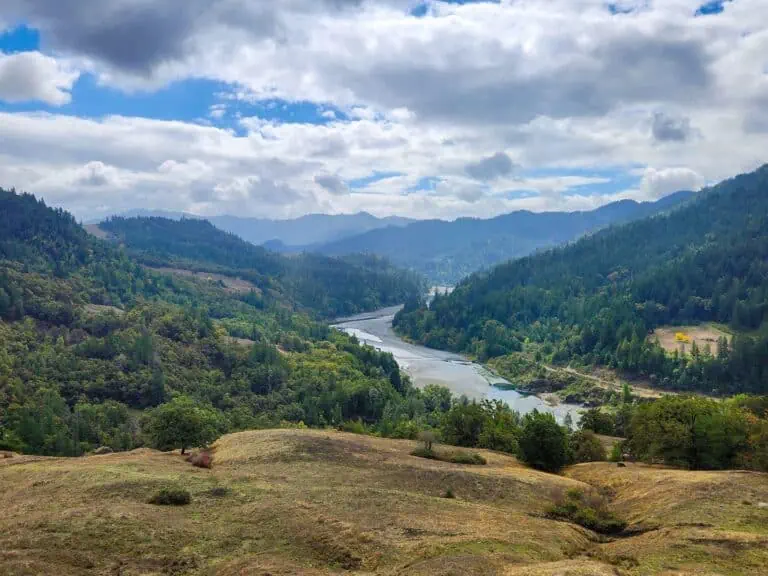
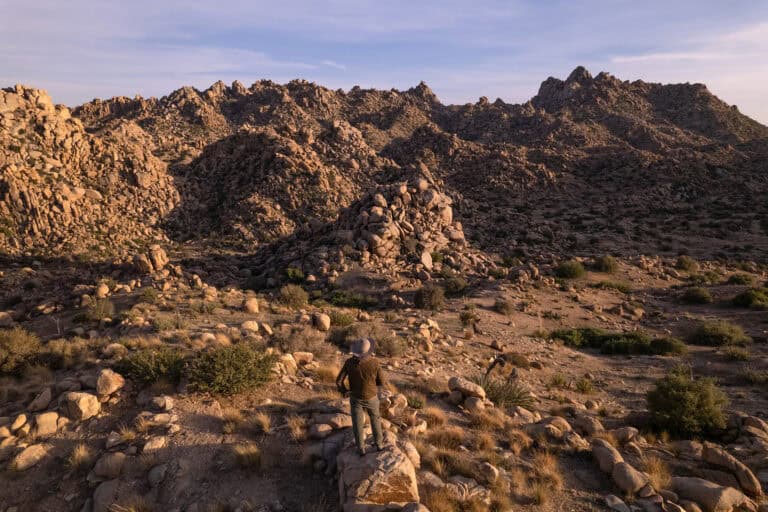
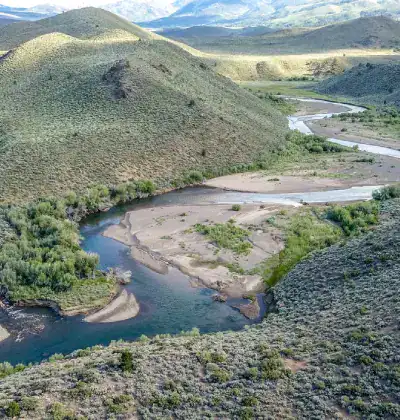
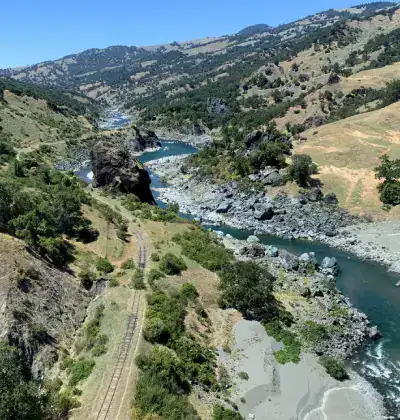
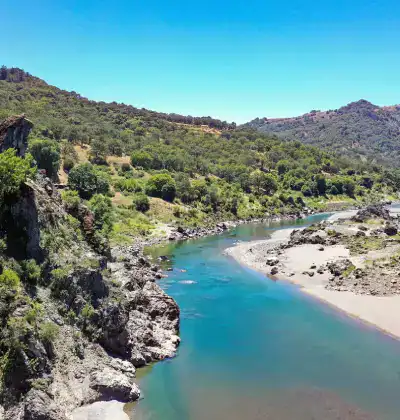
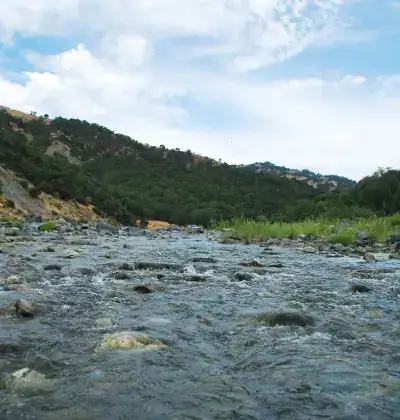
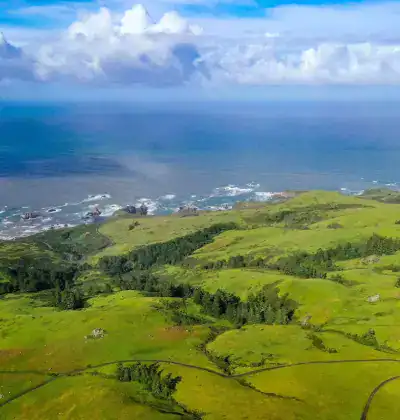
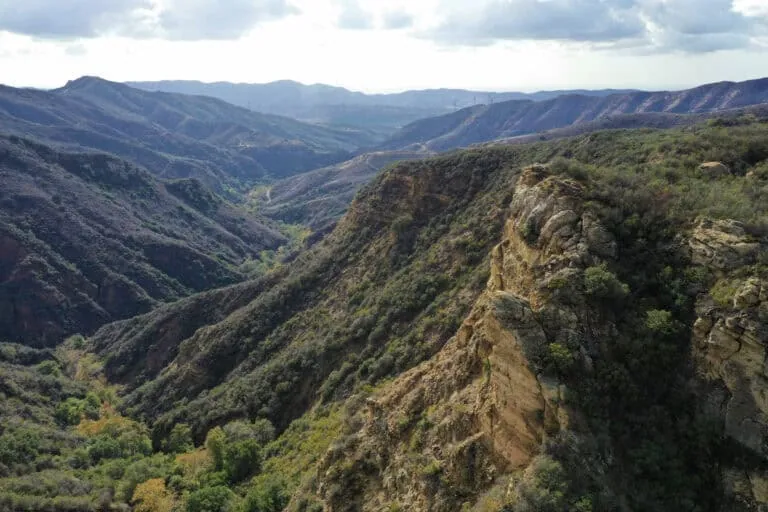
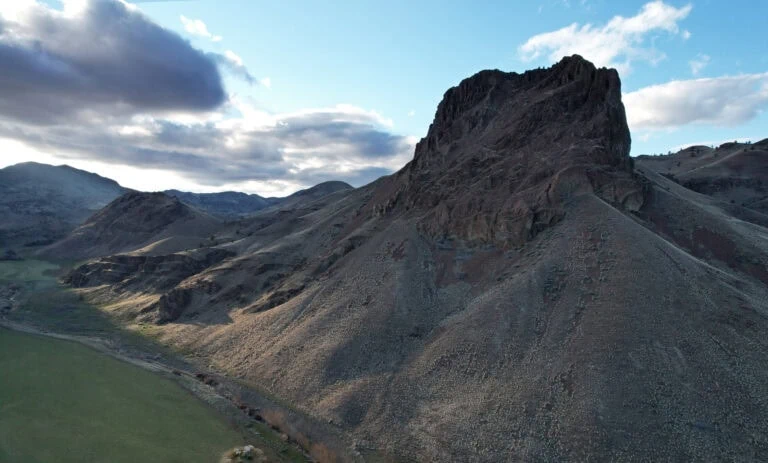
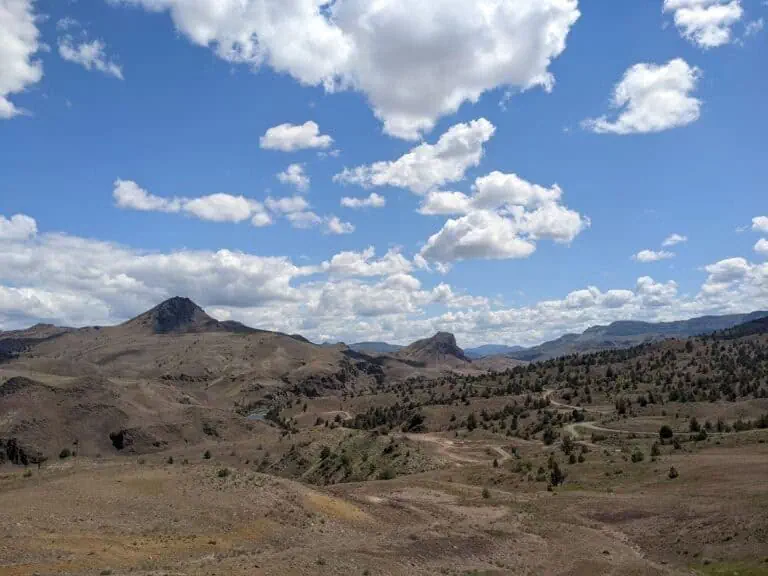
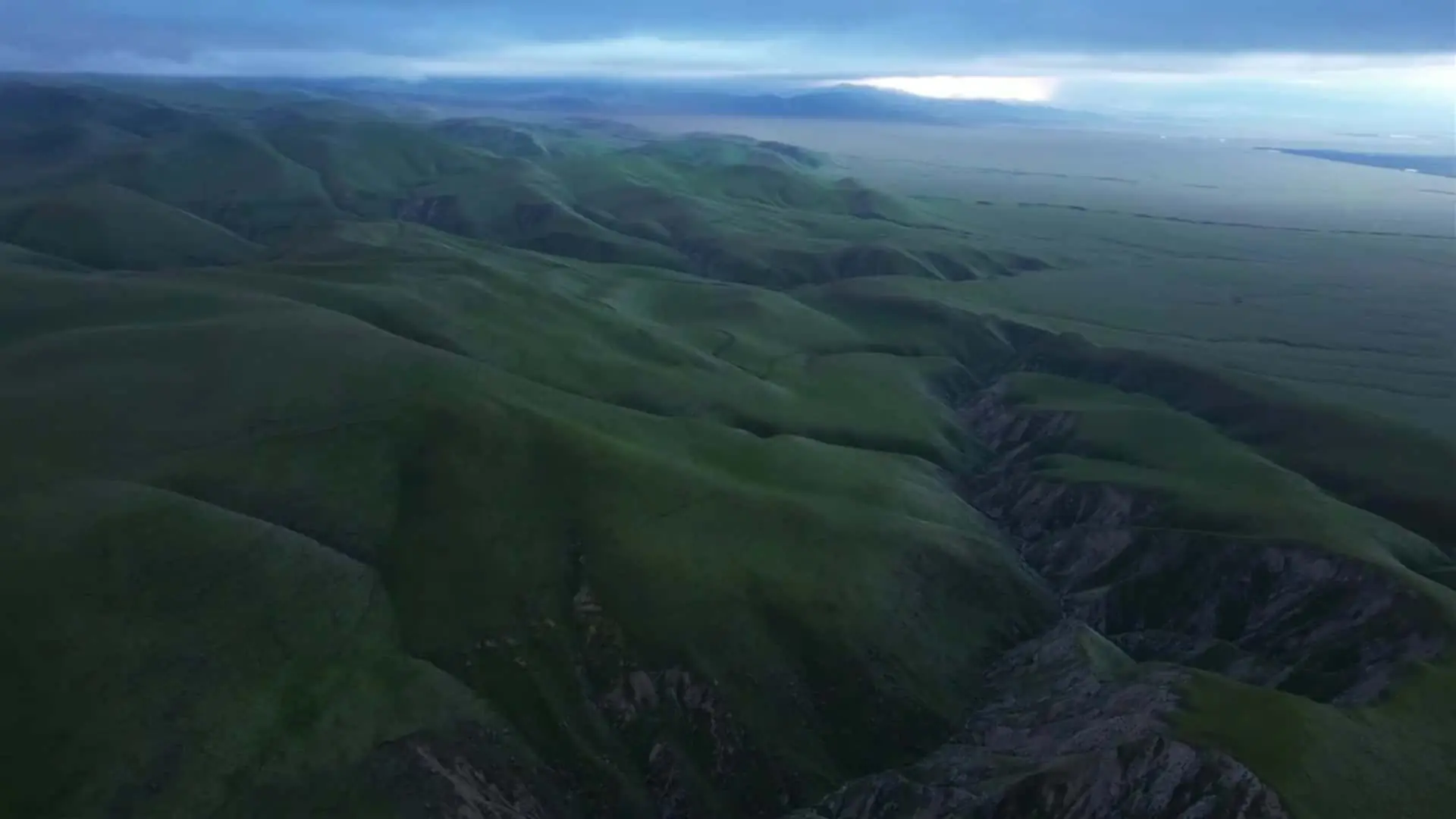
Due to elevation ranges from 640 to 6,005 feet, the Preserve has an impressive array of landforms and habitats that serve as a critical landscape linkage and wildlife corridor between the Coast Ranges and Sierra Nevada.On the San Joaquin Valley floor, the Preserve is a 30-square-mile veritable sea of grasslands with remnant stands of saltbush.
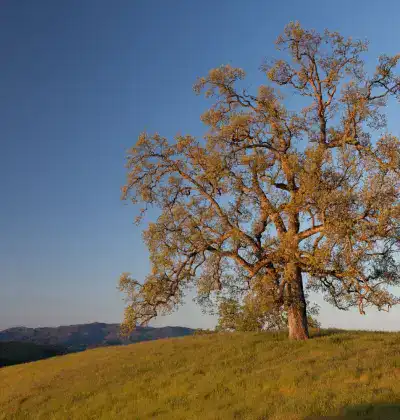
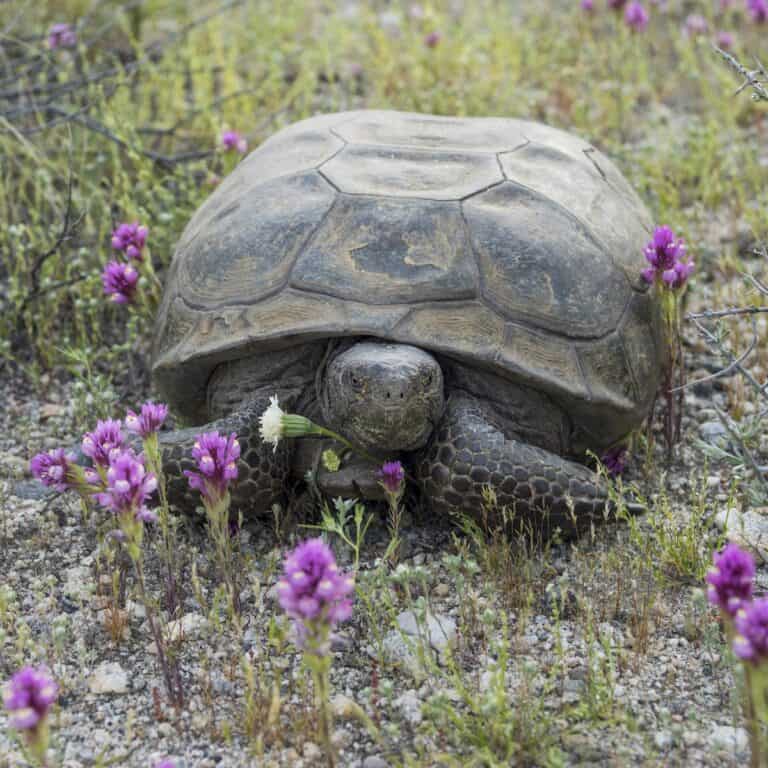
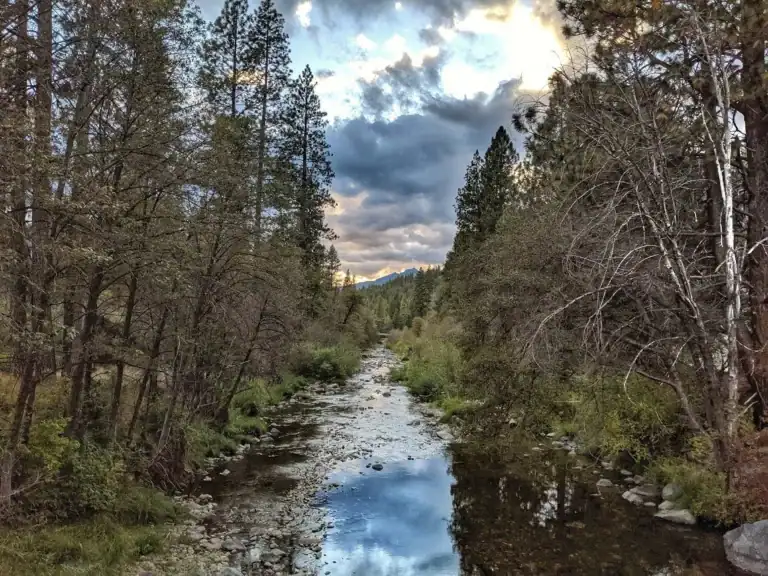
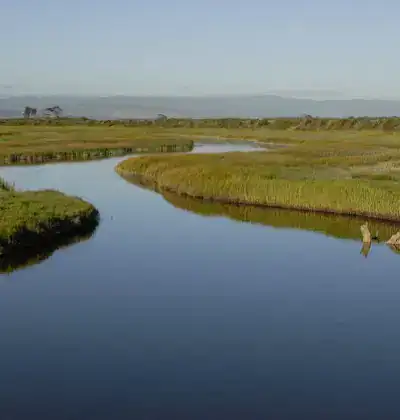
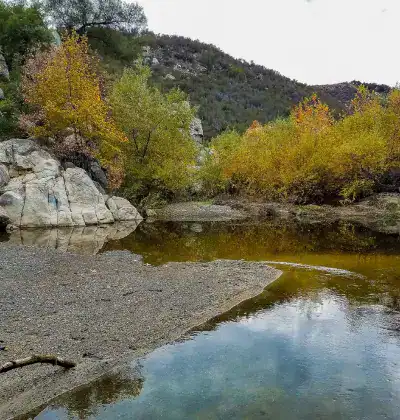
These grasslands are home to the endangered San Joaquin kit fox and blunt-nosed leopard lizard as well as one of the largest stands of the endangered Bakersfield cactus. The Preserve’s main wetland is home to the Buena Vista Lake ornate shrew—one of the most endangered mammals in the United States. Rolling grasslands rise from the valley floor, transitioning into classic California blue oak and valley oak savanna with extensive riparian wetlands. The oak savanna ascends into juniper and pinyon forests that vault into stands of ponderosa pine and big cone spruce.
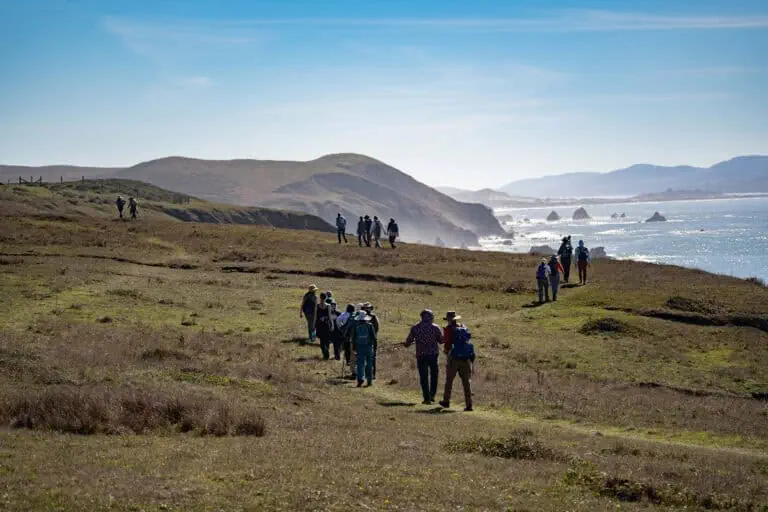
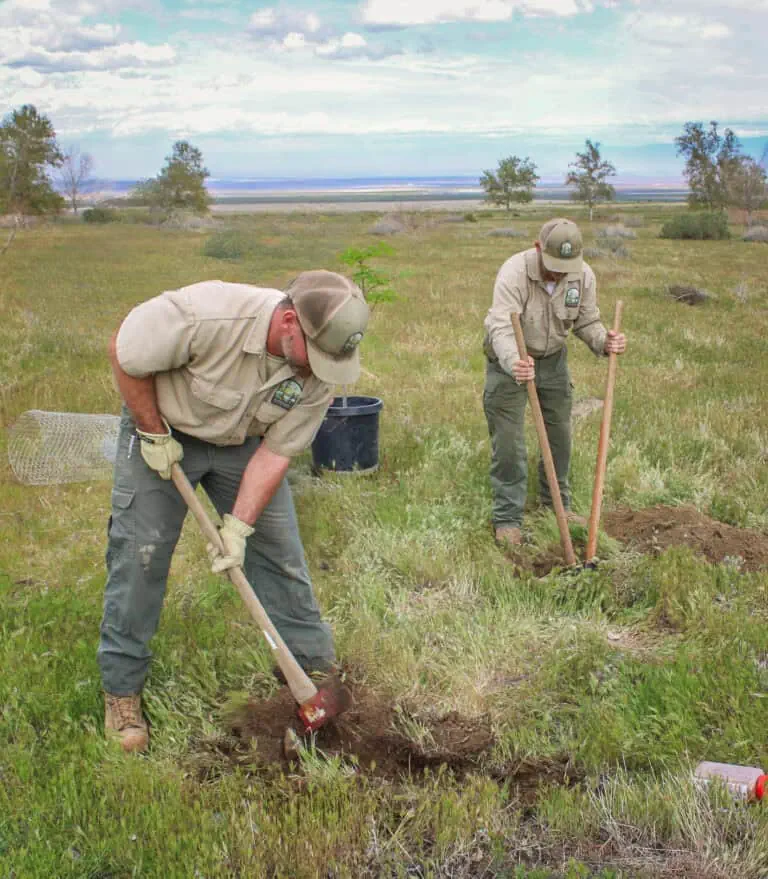
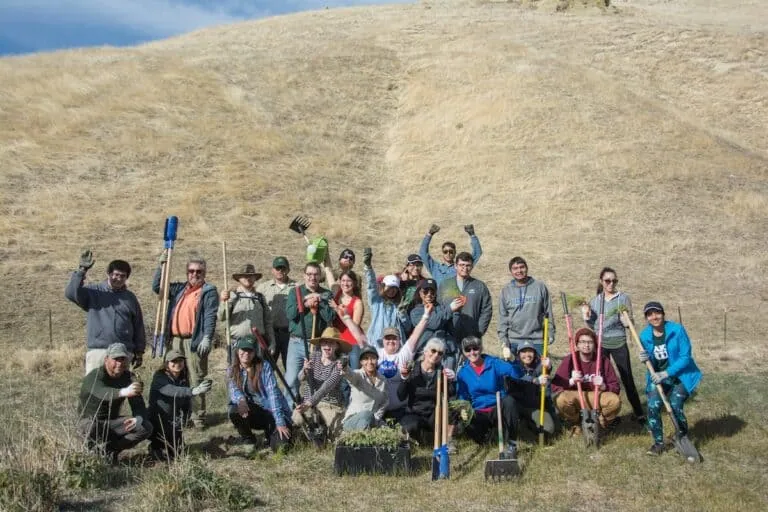
Volunteers have played a major role in working with staff to restore this heroic landscape. Fourteen years of monthly work parties have removed invasive tamarisk from 30 miles of stream channels. Volunteers have made miles of boundary fencing antelope friendly, as well as make kit fox dens for the recruitment of kit foxes. And volunteers through school, family work parties, and collaborating organizations have planted tens of thousands of native trees and shrubs.
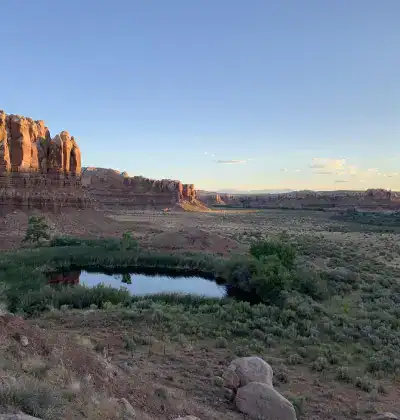
The preserve includes the entire San Emidio Land Grant, once owned by John C. Fremont. Wind Wolves’ rich cultural history includes some of the most noteworthy Native American rock art in North America.
8 am to 5 pm daily.
Free


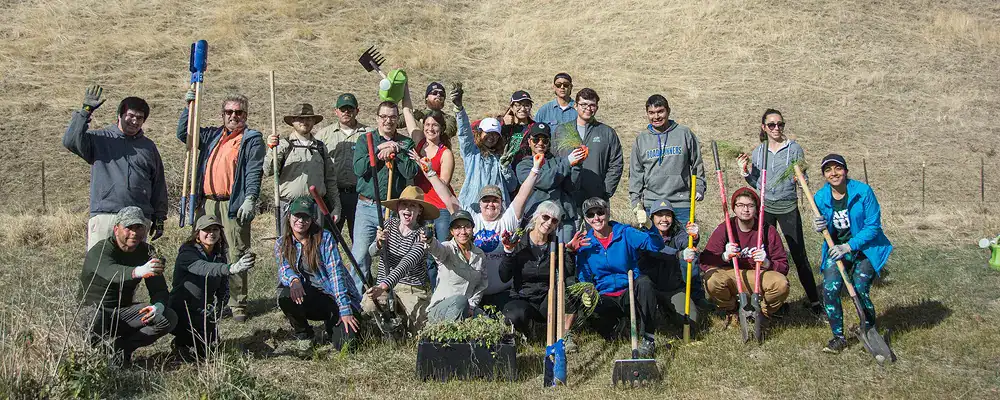
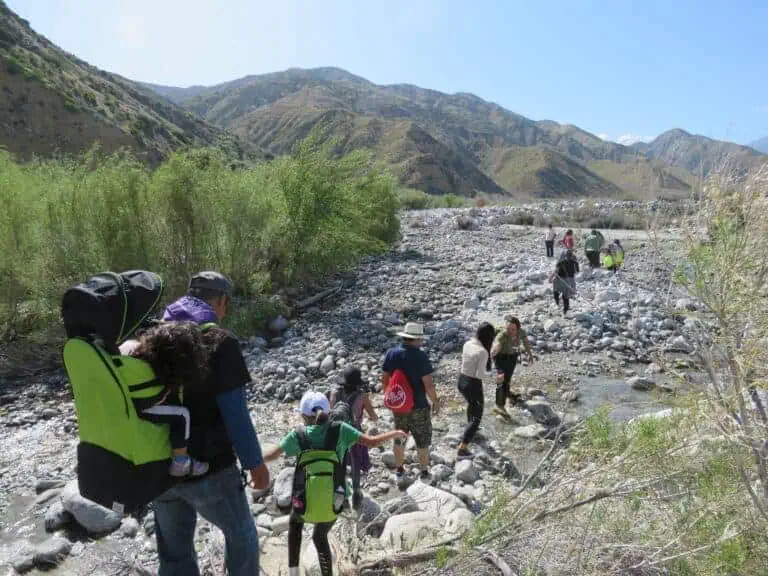
Whether you are passionate about habitat restoration, visitor engagement, or education programs, Wind Wolves Preserve has a way you can get involved! Sign up for a public volunteer day (available each month) to get your hands in the dirt and contribute to restoration efforts. If you are interested in a longer commitment, consider the Docent Program for a wide range of volunteer opportunities, including planting, trail maintenance, data collection, preserve beatification, visitor engagement, and family events.
Regardless of how you choose to participate, your contributions to The Wildlands Conservancy are important, impactful, and appreciated.
One of the most important components of outdoor ethics is to maintain courtesy toward other visitors. It helps everyone enjoy their outdoor experience.
Principles courtesy of Leave No Trace Center for Outdoor Ethics.


Our Programs


CONSERVATION OUTCOMES
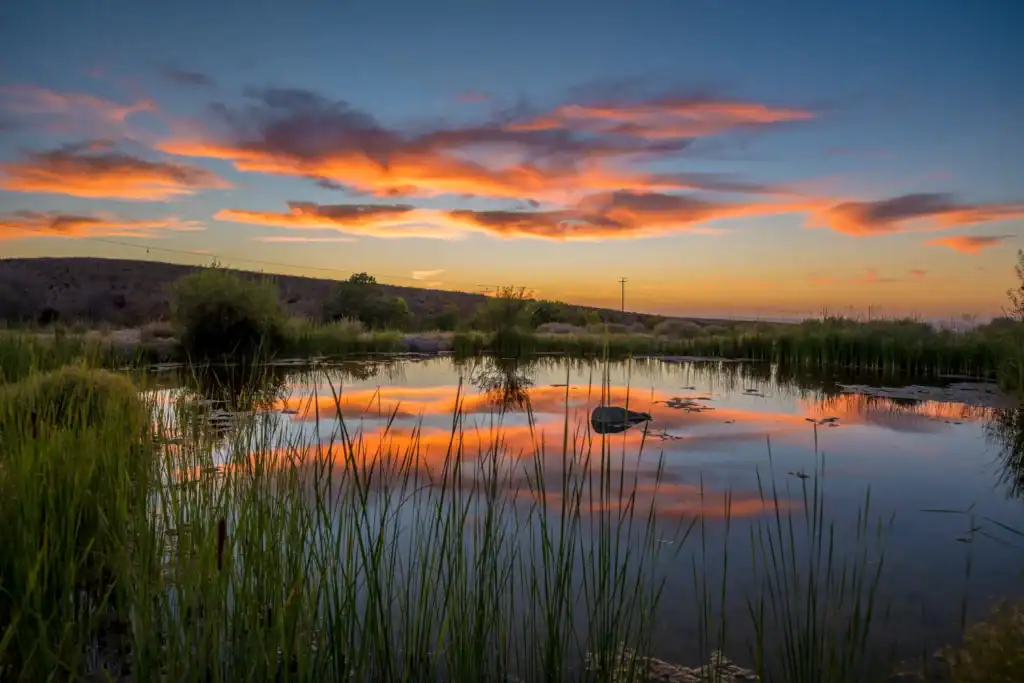
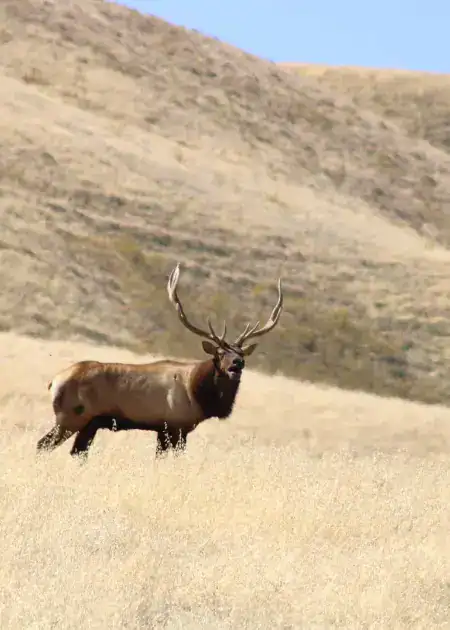
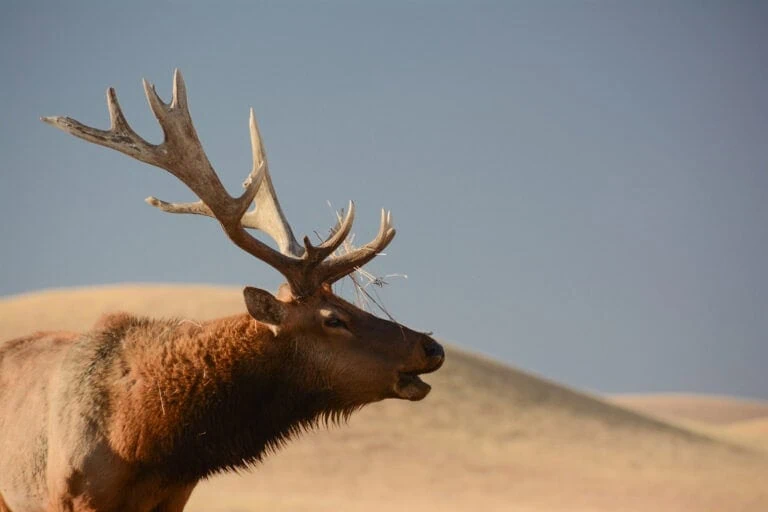
The Conservancy’s restoration of hundreds of acres of wetlands has recruited over 5,000 nesting pairs of the endangered tri-colored blackbird. In 1998, Wildlands collaborated with the California Department of Fish and Wildlife to reintroduce 19 tule elk to their historic range. This herd has grown to over 400 elk and plays an important role in the Preserve’s ecosystem. Hundreds of valley oaks have been successfully grown from acorns at our on-site nursery, which is permitted to grow and transplant the endangered Bakersfield cactus, with over 5,000 new cacti planted to date. Restoration of salt bush to the grasslands has played an important role in bringing back the endangered kit fox and blunt-nose leopard lizard.

Make an Impact
Trails, picnic areas, campgrounds, quiet overlooks, places to wander and breathe. Our preserves are open free of charge so people from all walks of life can experience the beauty and wonder of the natural world. Your gift helps keep access open to all.
Newsletter
Land protected, habitats restored, kids finding wonder in the wild for the first time. We share the work when there’s something worth sharing.
follow us on social